

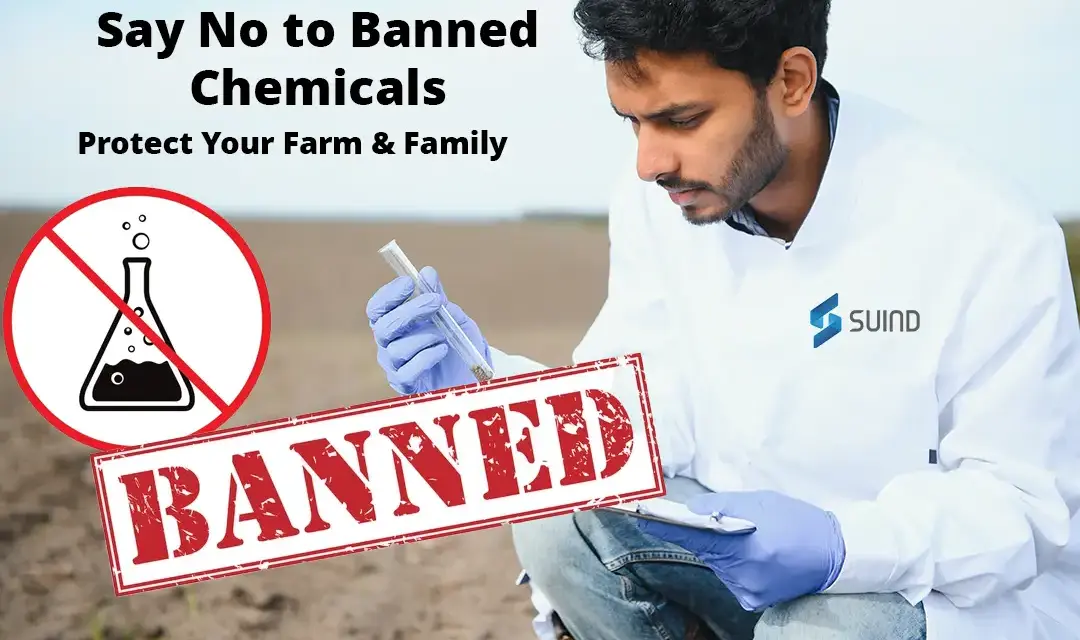
Pesticides don’t get banned overnight. It usually happens after years of evidence showing they cause more harm than good. In India, the Central Insecticides Board & Registration Committee (CIBRC) and the Ministry of Agriculture keep track of such substances. When studies prove that a chemical contaminates soil, pollutes water, harms farmers, or leaves unsafe residues in food, the government steps in to restrict or ban its use.
A well-known example is Monocrotophos, once a common pesticide in India. The World Health Organization (WHO) has categorised it as “highly hazardous” because of its links to nerve damage, accidental poisoning, and farmer deaths. In 2013, a tragic case in Bihar made headlines when school children died after eating food contaminated with this chemical (The Hindu, July 2013). This incident highlighted just how dangerous the misuse of such chemicals can be.
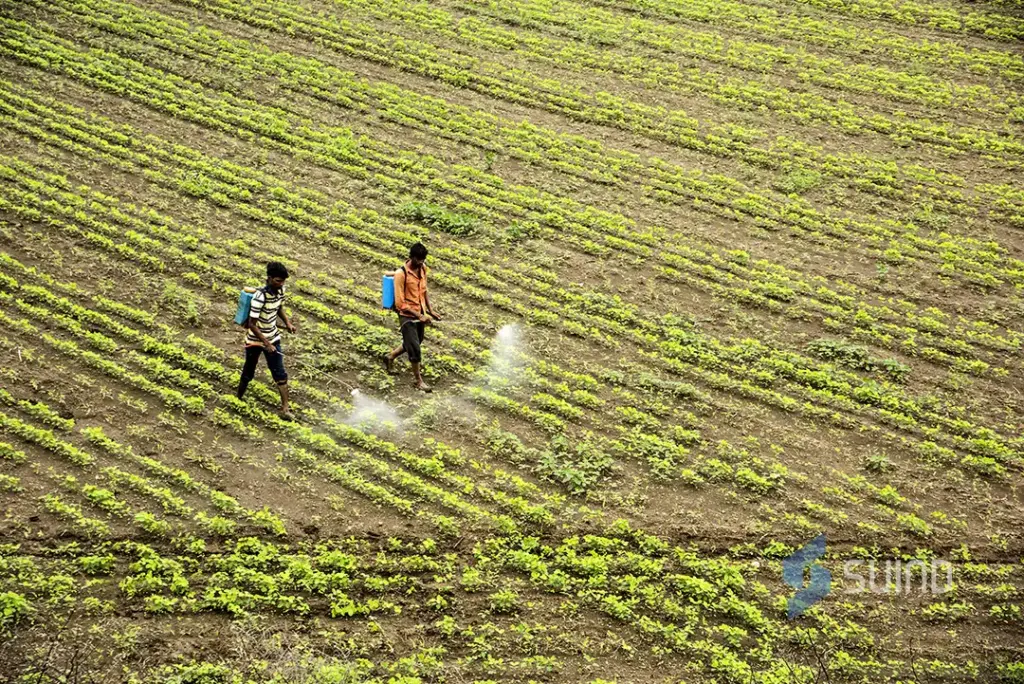
The Harms of Using Banned Chemicals
- Prolonged exposure can cause skin diseases, respiratory issues, nerve damage, and even fatalities.
- According to a report in The Hindu (2021), pesticide poisoning continues to be a leading cause of farmer hospitalisations in states like Maharashtra and Andhra Pradesh
Source: https://www.thehindu.com/news/national/pesticide-poisoning-deaths-continue/article37283683.ece
Soil and Crop Damage
Banned chemicals can kill beneficial microorganisms in soil, reducing fertility over time.
Crops sprayed with such substances often fail to meet export standards, resulting in financial losses.
Food Safety Concerns
Residues of banned pesticides in vegetables, fruits, and grains directly enter the food chain.
A joint report by CSE (Centre for Science and Environment) found pesticide residues in popular Indian vegetables like cauliflower and brinjal, sometimes exceeding permissible limits by 700%
Source: https://www.cseindia.org
Environmental Harm
Chemicals leach into groundwater, contaminating drinking water sources.
They disrupt pollinators like bees and butterflies, reducing biodiversity essential for crop productivity.
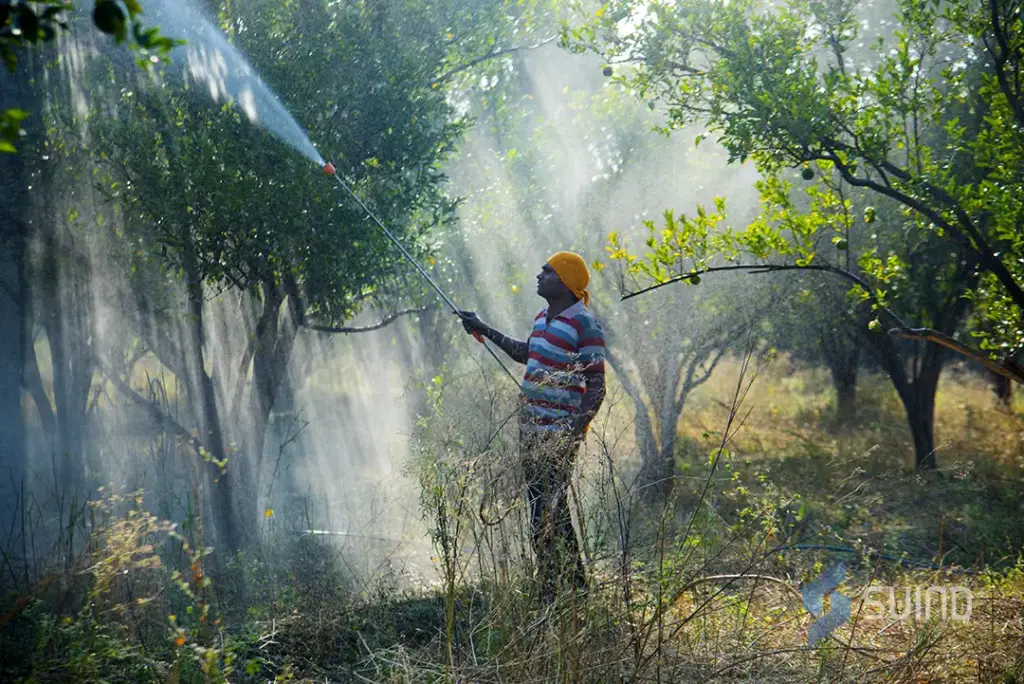
India’s Stand on Banned Chemicals
The Government of India has taken strong steps in this direction. In 2020, it proposed banning 27 pesticides deemed risky for human and environmental health, including tricyclazole and thiophanate-methyl, which were widely used in rice and horticulture.
For a comprehensive list of banned pesticides and chemicals, we recommend checking the official resources:
ICAR-Indian Institute of Spices Research
APEDA – Banned Pesticides for Manufacture, Import, and Use
Central Insecticides Board & Registration Committee
The Indian Express reported in 2022 that India exported over ₹60,000 crore worth of agricultural produce, but many consignments faced rejection in the EU and Middle East due to banned pesticide residues
Source: https://indianexpress.com/article/india/indian-agri-exports-rejected-pesticides-7958630.
Such incidents not only affect farmers’ incomes but also India’s credibility in global markets.
At SUIND, we are committed to promoting safe, sustainable, and globally compliant agriculture. Every farmer’s choice today will shape not just their harvest, but the health of their family, their community, and the future of Indian farming.
For more information or support in adopting responsible spraying practices, please reach out to our team. We are here to help.