
How Sugarcane Farmers Are Fighting Back Against the Woolly Menace

When sugarcane farmer Vikramsinh Mane Deshmukh from Akluj, Maharashtra, talks about woolly aphid infestations, his frustration is palpable. "The food these leaves make just goes to waste,” he says. “The leaves dry up, and the itching caused by these pests makes it unbearable for harvest workers."
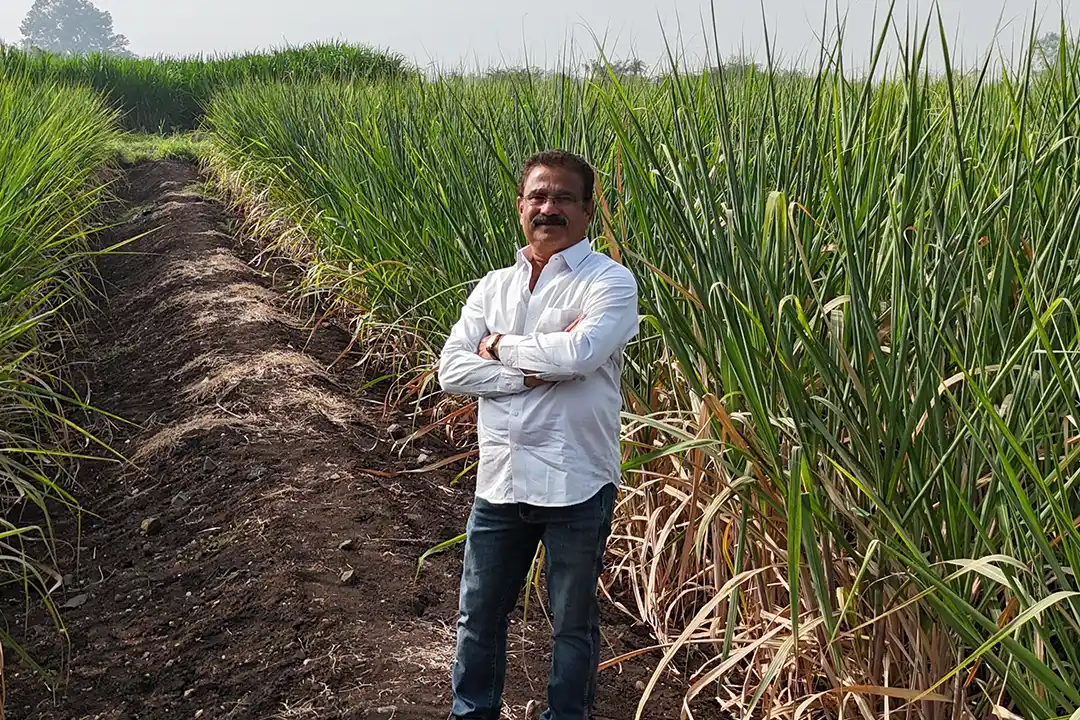
Vikramsinh Dinkarrao Mane Deshmukh
Farmer, Akluj, Maharashtra
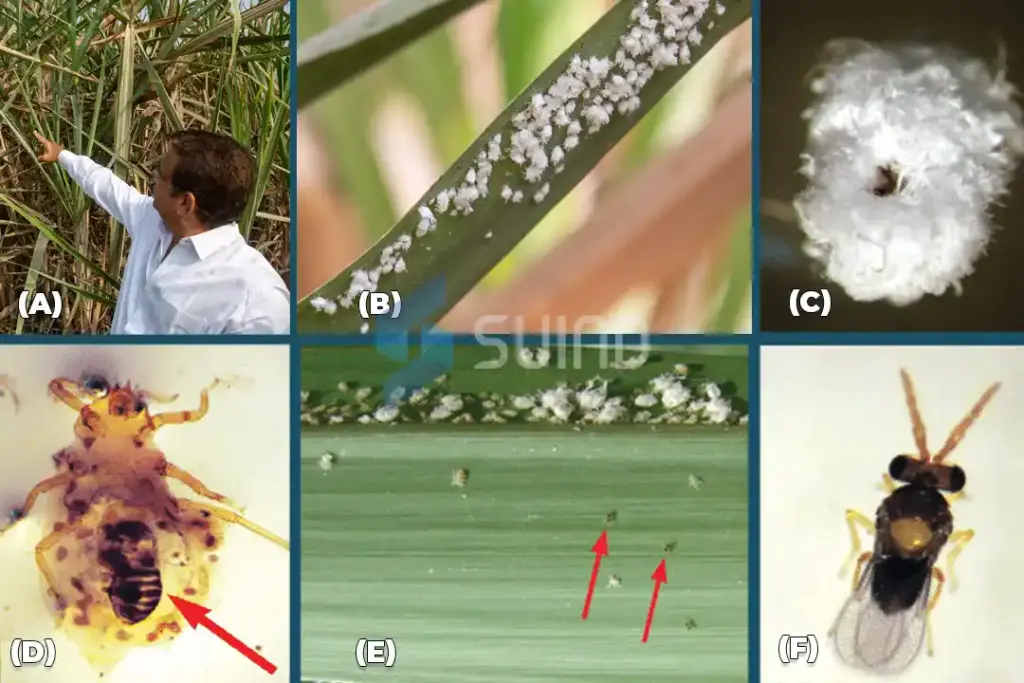
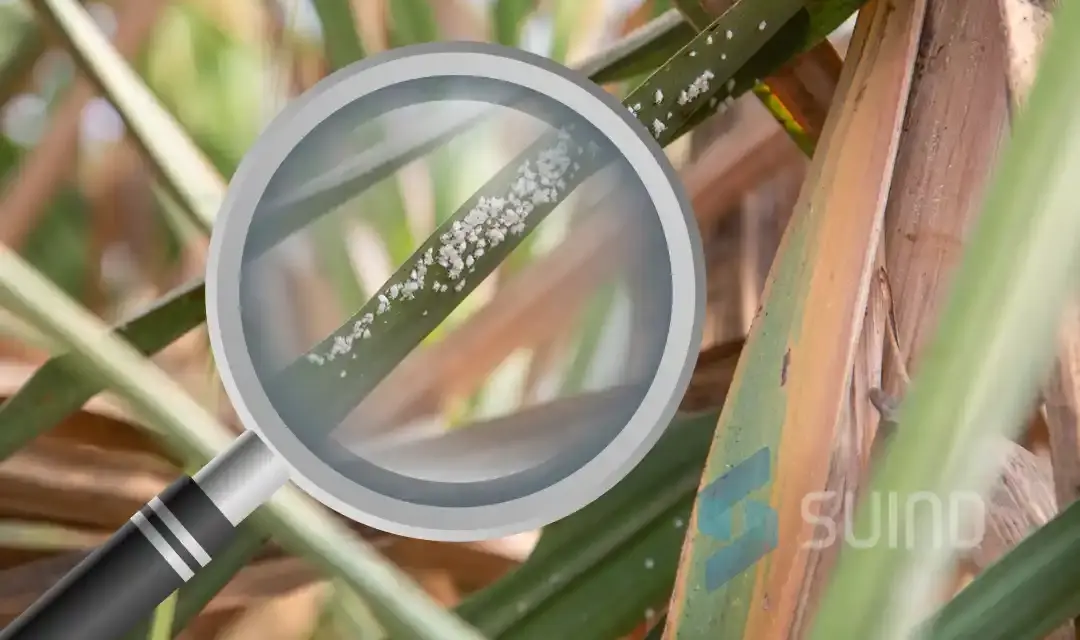
He’s referring to the woolly aphid, known locally as Lokari Mava, a sap-sucking insect that hides under the sugarcane leaves, cloaked in a white, fuzzy wax that looks deceptively harmless. But the damage it causes is far from subtle.

Woolly aphid (Ceratovacuna lanigera) and its natural enemy, the parasitoid Encarsia flavoscutellum, observed in sugarcane:
(A) Aphid infestation on sugarcane leaves (Image from Akluj, Maharashtra)
(B) Aphids parasitised by Encarsia showing pinhole exit sites on waxy bodies 
(C) Close-up of a single aphid with a visible emergence hole
(D) Microscopic view of aphid dissected to show parasitoid developing inside (red arrow)
(E) Adult parasitoids actively moving across an aphid-infested leaf (red arrows)
(F) Magnified image of the adult Encarsia flavoscutellum

What’s So Dangerous About the Woolly Aphid?

These insects feed on the sap of sugarcane leaves, leeching out chlorophyll and disrupting the plant’s ability to produce food.

The result?

Dry, brittle leaves and a sharp drop in tonnage and sugar yield. On top of that, they excrete a sticky substance called honeydew, which attracts a black fungus known as sooty mold. This makes the cane look and grow even worse.


In outbreak scenarios, yield losses can go up to 20%. And that’s not just theory, it’s a lived reality for farmers in Maharashtra, Karnataka, and other sugarcane-growing regions across India.

How Farmers Are Beating the Woolly Aphid with Drone Tech

SUIND’s Bumblebee spraying drone Technology as a Game-Changer

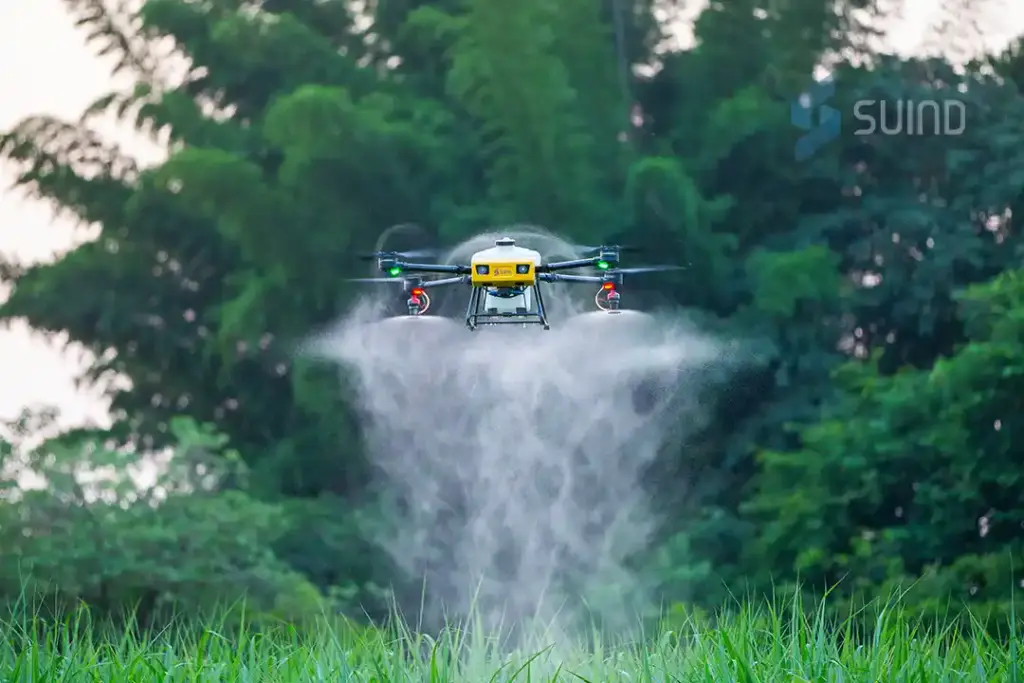
Traditional methods of pest control are time-consuming, inconsistent, and often result in high water and chemical use. That’s where SUIND’s Bumblebee spraying drone is transforming the scene.

"The drone can cover 1 acre in just 7 minutes using very little water. It creates nano-sized particles that evenly coat both sides of every leaf, improving medicine absorption."Baramati farmer Pruthiviraj Navale swears by this shift. “Every leaf and every part of the field was evenly sprayed. Because of this, all my sugarcane crops turned green and healthy,” he shares.

Santosh Vasantrao Karanje
Subject Matter Specialist, Krishi Vigyan Kendra (KVK), Baramati, Maharashtra

According to a 2004 study in Current Science by Sunil Joshi and C.A. Viraktamath, sugarcane woolly aphid (Ceratovacuna lanigera) was once limited to Northeast India but has now spread to over 15.5% of sugarcane-growing areas in Maharashtra alone. Their review cites over 38 natural enemies, but very few are effective enough on their own. This is why integrated pest management (IPM) which combines biological, mechanical, and technological tools is considered the most promising path forward.

SUIND Founders Speak

“Our products are the result of years of research and development, along with rigorous field trials with our customers in India and Switzerland. We’ve achieved some amazing results—reducing agrochemical usage by up to 60% and water usage by up to 90%, while doubling the efficacy of the operation. With our game-changing technology, we aim to impact every farm in the world.”


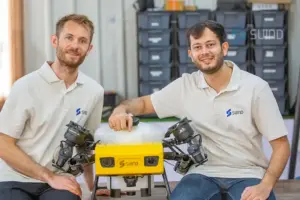
Kevin Kleber, Co-Founder & CTO, SUIND

Kunal Shrivastava, Co-Founder & CEO, SUIND

That’s not just a lofty vision. It’s happening right now, in the fields of Baramati, Maharashtra, India and beyond.

Sources :

Joshi S, Viraktamath CA. The sugarcane woolly aphid, Ceratovacuna lanigera: its biology, pest status and control. Current Science. 2004. 

Gupta & Goswami (1995) on yield reduction due to infestation.

Ganeshaiah et al. (2003) on predictive mapping of pest spread (GARP/DIVA-GIS models).

Arakaki et al. (1992) on predator behaviour and biological control potential.

      Leave a Comment